Skip to Content

Nipper OmniSight trial

Start your Nipper OmniSight network exposure assessment

Find out whether your network is configured as intended – and prove it. Proof, not inference.

Reveal hidden network exposure before it stops the business

Nipper OmniSight is Titania's enterprise-scale preemptive exposure assessment platform for network infrastructure. It validates the configurations of your firewalls, routers, switches and wireless access points directly – revealing the hardening gaps, ineffective rules, unintended access paths and segmentation failures that broad platforms infer but leave unvalidated.

No agents, no cloud, no scanning of the live network – so even regulated and air-gapped estates can be assessed safely. Every finding is ranked by exploitability and impact, with device-specific remediation attached.

Start a trial to:

  • Reveal hidden network exposure
  • Prove segmentation and least privilege are enforced
  • Expose unintended access paths
  • Prioritize fixes by exploitability and impact
  • Produce defensible audit evidence

Start my assessment

Please fill out the fields below

Trusted by elite security organisations

what-is-nipper-omnisight

What is Nipper OmniSight?

Nipper OmniSight is a preemptive exposure assessment platform for network infrastructure, and part of Titania's Nipper solutions family. It validates network device configurations directly to identify weak settings, control gaps, segmentation failures and unintended access paths across enterprise-scale networks.

Where vulnerability and exposure platforms assess software flaws and infer risk from outside-in signals, Nipper OmniSight examines the configuration layer that enforces access – confirming not only that a rule exists, but that it still functions as intended. The result is defensible evidence teams can use to harden devices, support containment, prove audit readiness and reduce exposure.

How does Nipper OmniSight work?

Nipper OmniSight builds a model of how each device behaves from its extracted configuration, then examines how rules, routes, segmentation and device relationships combine across the estate. The assessment surfaces:

Findings are ranked by exploitability and impact, so teams can see how an attacker could move through the network and which fixes retire the most risk first. Because the analysis is deterministic, an assessment can be rerun to produce an identical result – and the evidence is preserved for auditors, regulators and the board.

Why does configuration exposure matter now?

AI has compressed the time between a misconfiguration and its exploitation to days, hours or minutes – too fast for periodic audits and inferred risk scores alone. Exploits are the leading attack vector, and most exploitable weaknesses originate on network infrastructure rather than endpoints.

Routers, switches and firewalls enforce the access and trust boundaries that decide whether an incident stays contained or spreads through operations, suppliers and customers. That makes validated segmentation and least-privilege access a continuity control, not just a security control – and proof that they are configured and operating as intended a board-level question. AI has not replaced cybersecurity fundamentals; it has made them urgent again.

Which teams use Nipper OmniSight?

Nipper OmniSight is built for regulated and mission-critical operators running hybrid estates at a scale where configuration can no longer be reviewed by hand – and for the people accountable for proving those configurations work:

Trial network exposure assessment

Measure exposure across the estate and surface the control gaps that configuration creates. During your trial, you can:

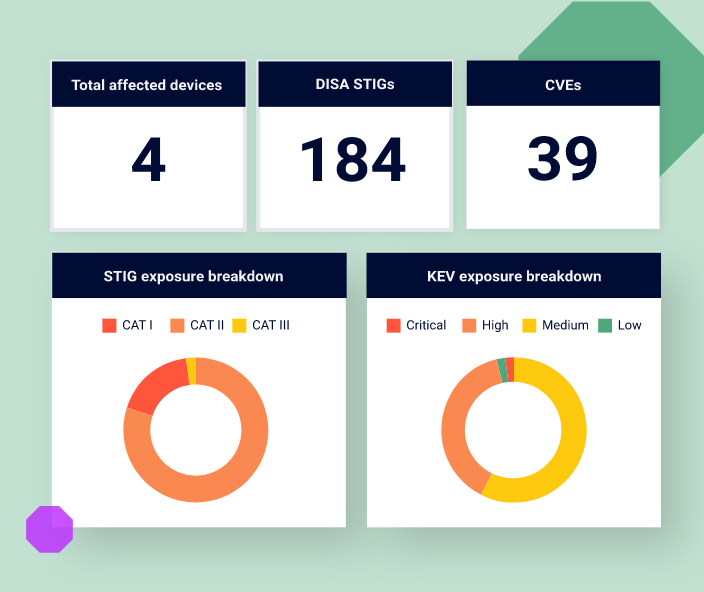
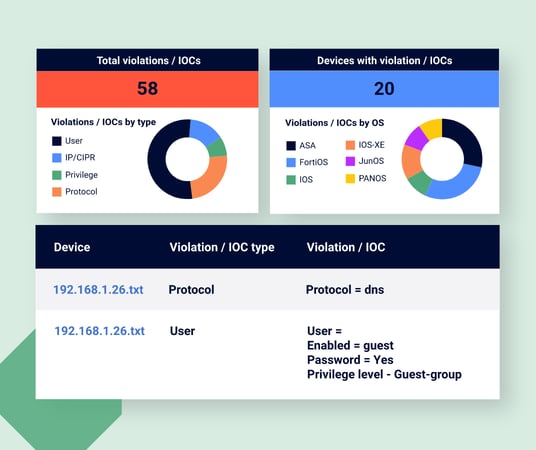
  • Produce a risk-ranked baseline of hardening gaps and weak settings
  • Understand exposure across network zones and device families
  • Prioritize findings by exploitability and impact
  • Reduce attack surface with device-specific remediation guidance
exposure-management

Trial segmentation and least-privilege validation

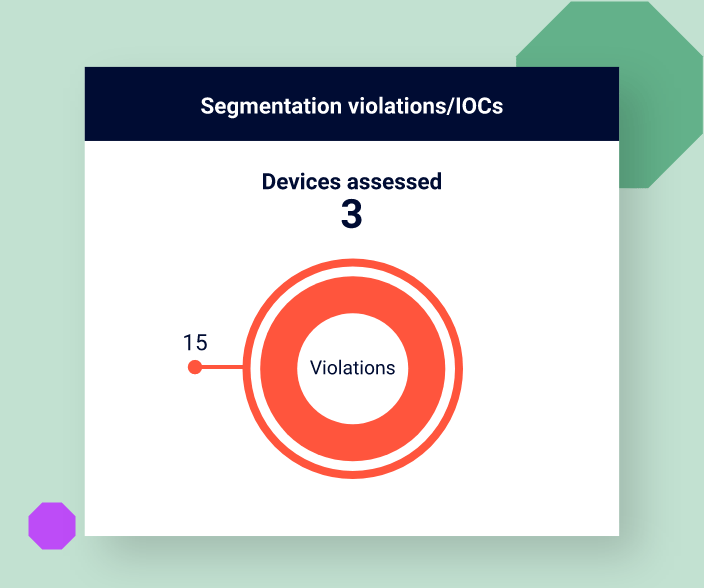
Nipper OmniSight models what each device permits based on the running configuration, confirming whether intended trust boundaries hold and flagging where they have drifted. The assessment helps identify:

  • Segmentation boundaries that fail in practice
  • Overly permissive rules and least-privilege exceptions
  • Conditions that would help an attacker move laterally
  • Enforcement gaps between policy intent and device configuration
segementation-and-least-preiviledge

Trial unintended access path analysis

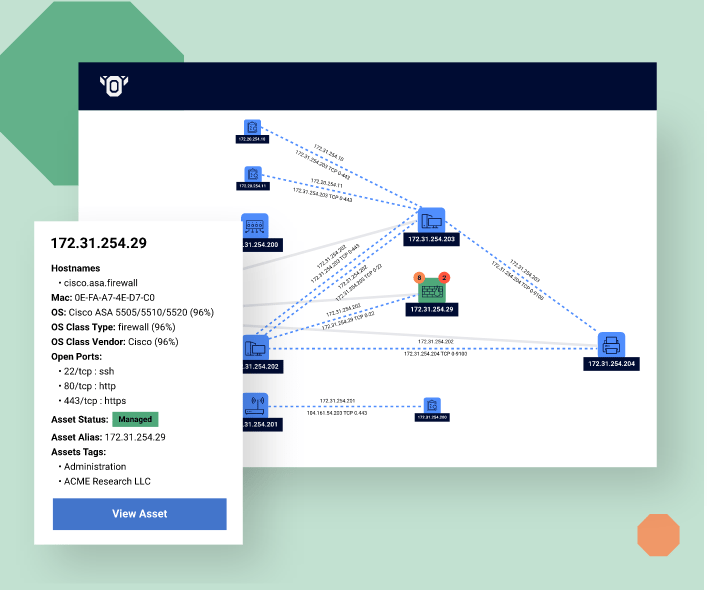
See how individual misconfigurations combine into routes toward critical assets – routes that are unseen in live traffic and invisible to tools that assess devices in isolation. Nipper OmniSight maps:

  • Reachability between zones and devices
  • Unintended access paths created by rule and route interactions
  • Security zones and trust relationships
  • Exposure of critical assets at the end of those paths
unintended-access-path-analysis

Trial compliance evidence automation

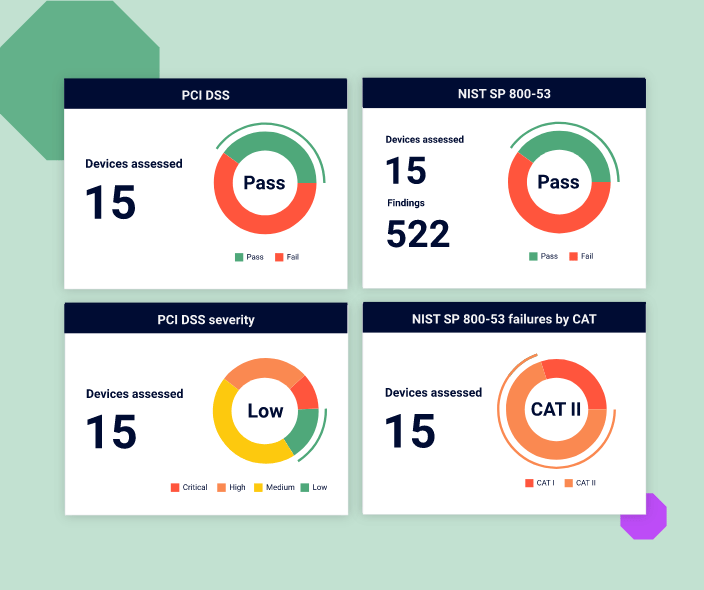
Generate repeatable, defensible evidence that stands up to an auditor, a regulator or a board – mapped to the frameworks you already report against. Supports organizations working towards:
  • NIST NVD*
  • PCI DSS**
  • CIS**
  • NCSC CAF
  • CMMC
  • STIGs 
     
compliance-automation

How Nipper OmniSight works alongside your vulnerability and exposure platform

Nipper OmniSight is not a replacement for outside-in scanning. It is the depth layer beneath it – validating the configuration conditions broad platforms infer from but leave unvalidated and feeding defensible findings back into the tools you already run.

Outside-in scanning and exposure platforms Nipper OmniSight
Assess software vulnerabilities and external signals Validates the network configurations that enforce access and containment
Require connectivity, credentials or agents on live systems Works from extracted or minimally collected configurations – no agents, no cloud, no live scanning
Infer whether controls are working Proves whether controls are working, with preserved evidence
Often generate high finding volumes with limited context Ranks findings by exploitability and impact, with device-specific remediation
Constrained in restricted and air-gapped environments Designed for regulated, high-consequence and air-gapped environments
Limited visibility into segmentation enforcement Validates segmentation boundaries and least-privilege access

What happens after I register?

Trusted where failure is not an option

1000+ organizations trust Nipper
100+ critical infrastructure providers
169 government and defense organizations
30+ US federal agencies
180+ device types
20+ vendors
43 Operating in 43 countries across 6 continents
80% reduction in audit prep time

Frequently asked questions